理想家居二選一:應該反映生活,還是讓人逃離現實?《Alice in the Wonderland》的愛麗絲掉進兔子洞後,看到忽大忽小的茶具、說話的門柄、蘑菇椅 ⋯⋯ 傢具除了實用之外,似乎還隱含改變感知的力量?
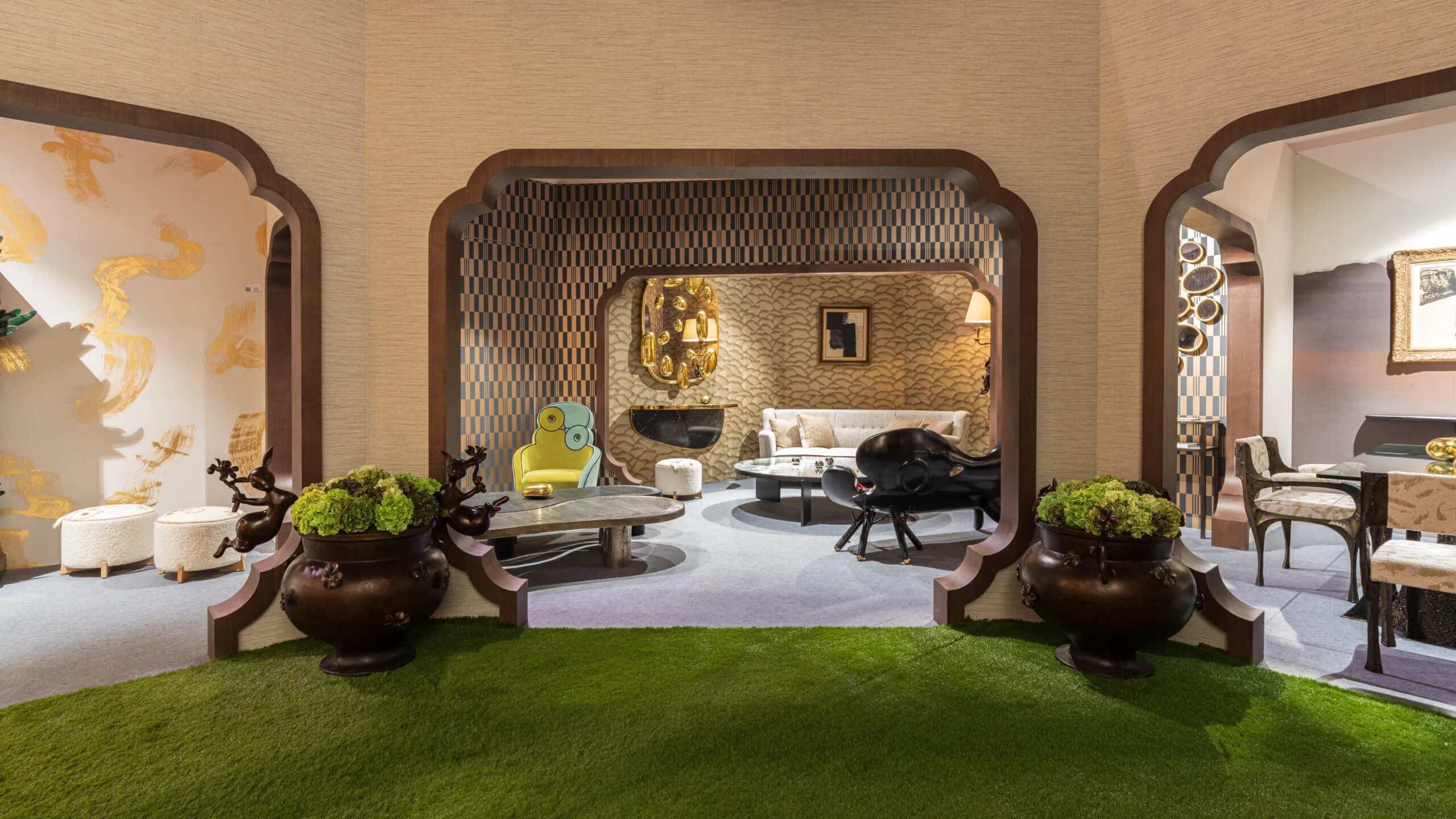
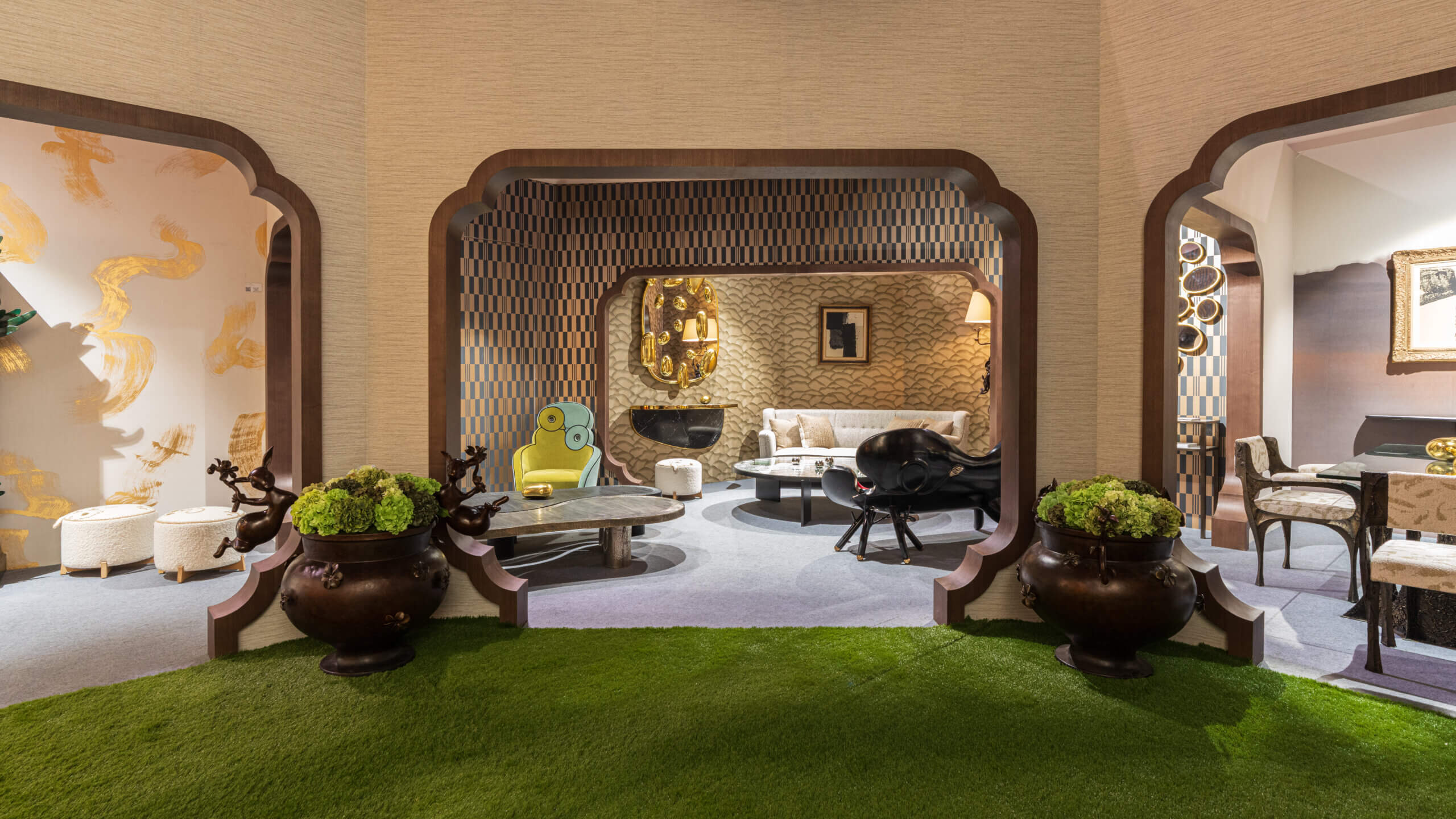
Alfred Lam x Hubert Le Gall《West Meets East》
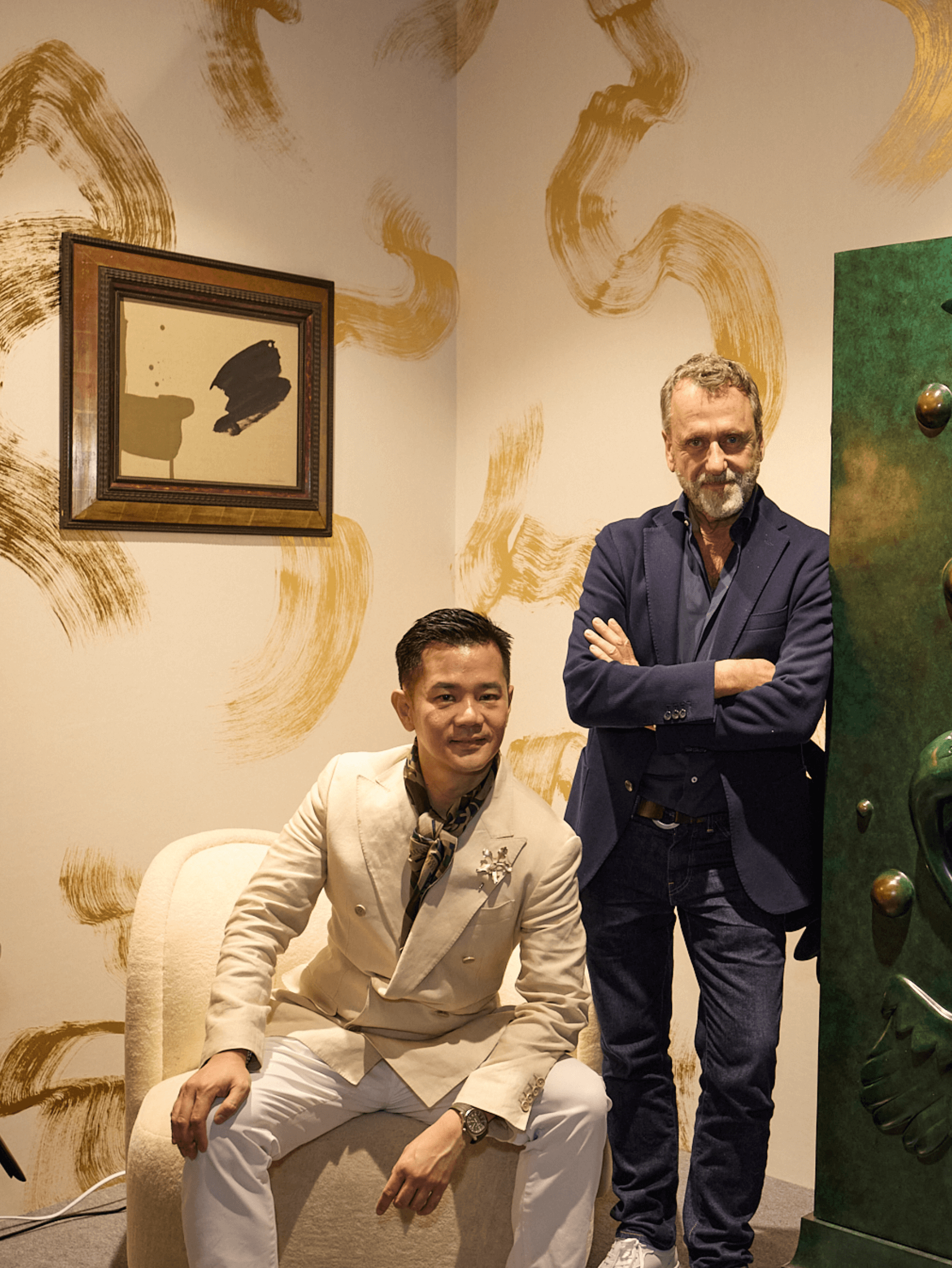
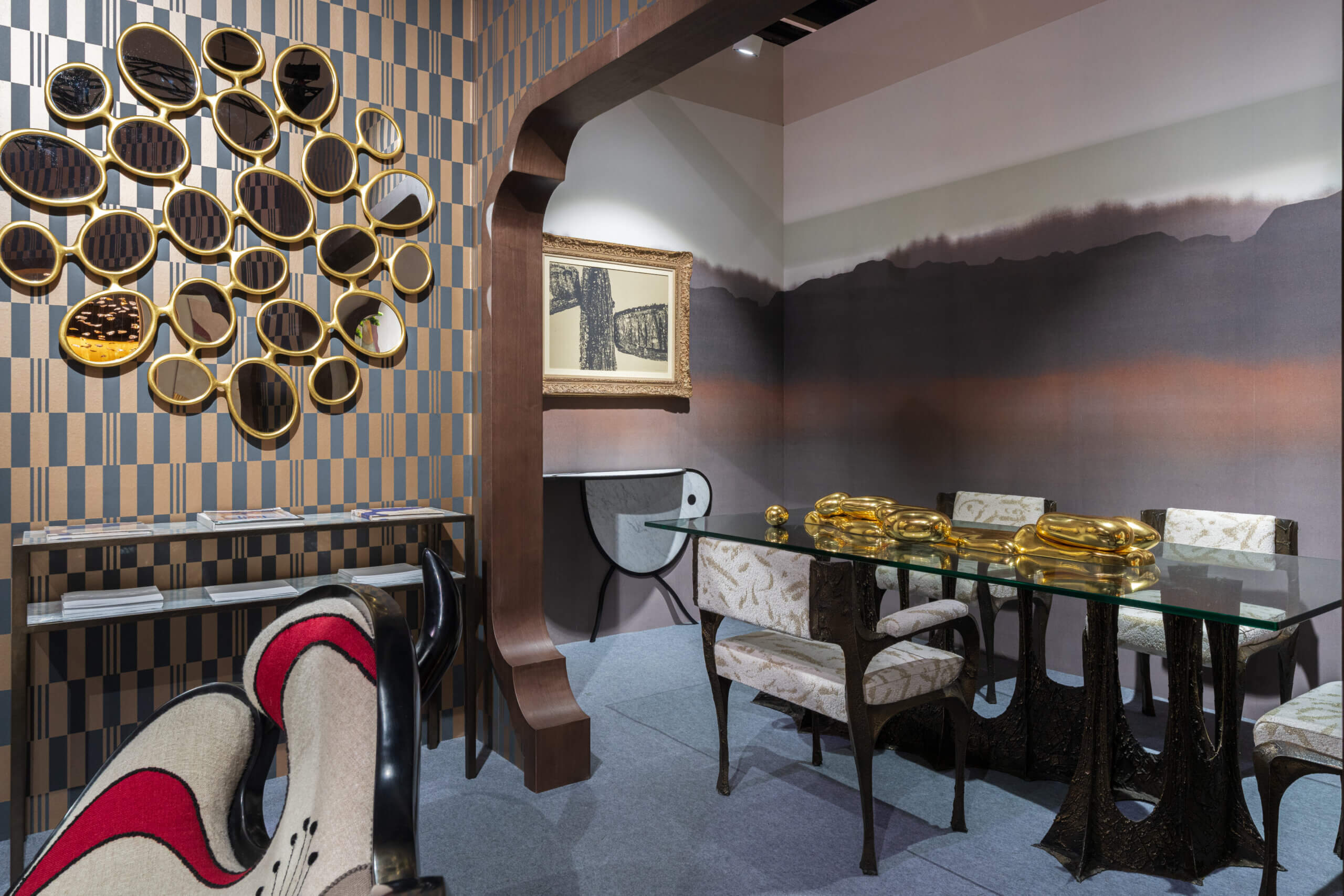
去年12月,筆者參觀法國室內設計展 Maison&Objet Intérieurs Hong Kong 後,被奇幻作品《West Meets East》吸引,並專訪設計師 —— 知名本地工作室 Studio1618 創辦人 Alfred Lam,及法國藝術與文學騎士勳章得主、曾任愛馬仕《Wanderland》巡展藝術總監的 Hubert Le Gall。
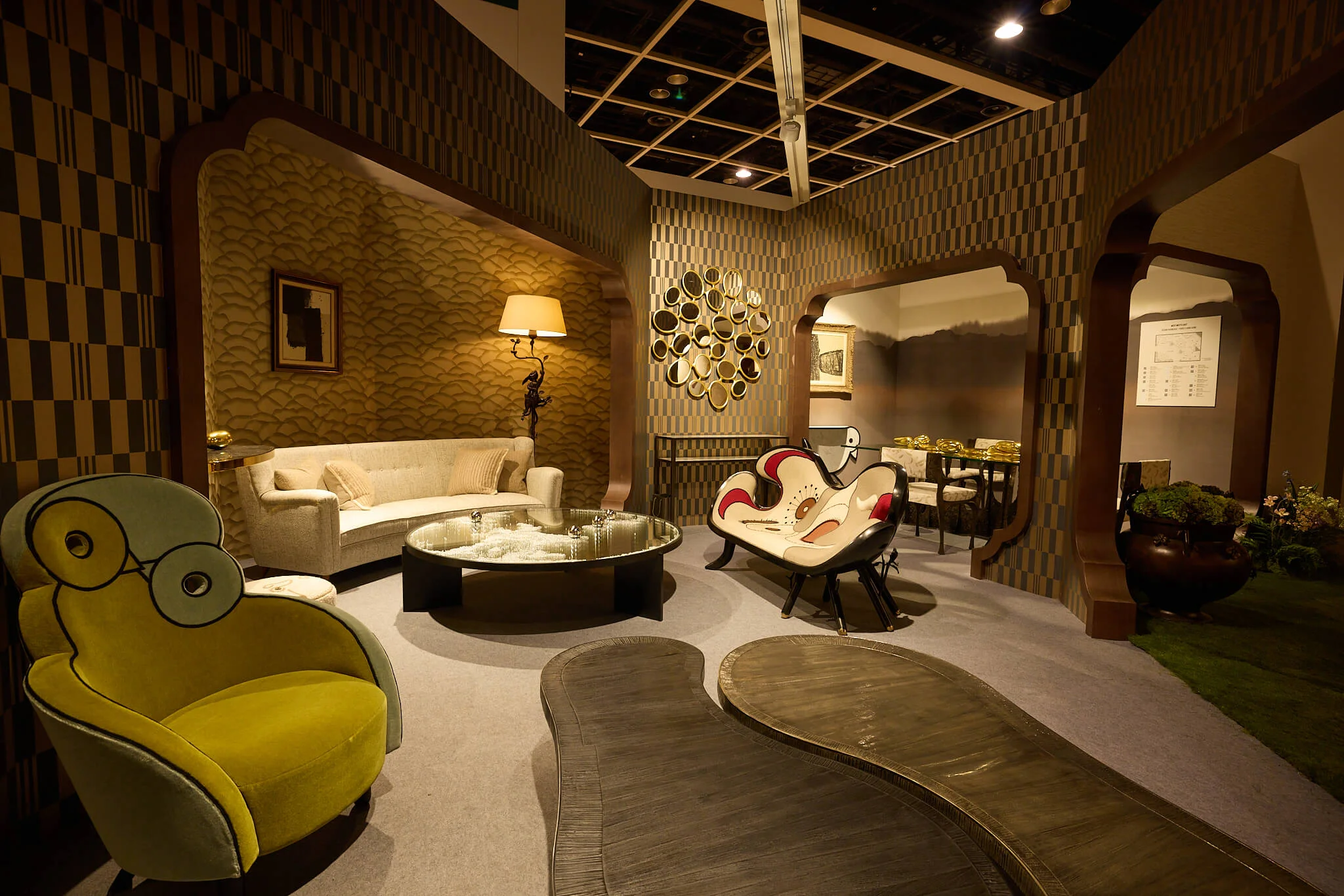
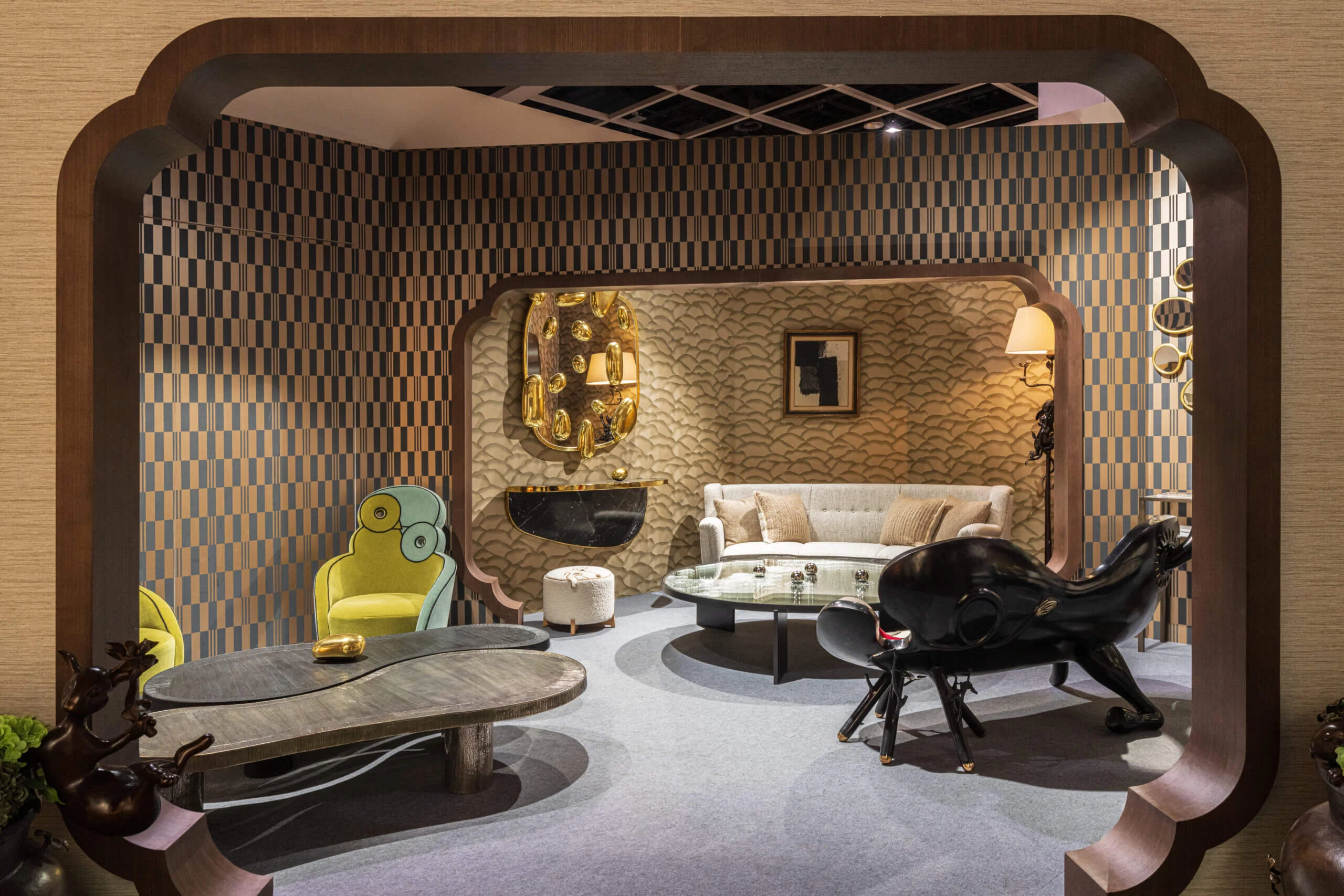
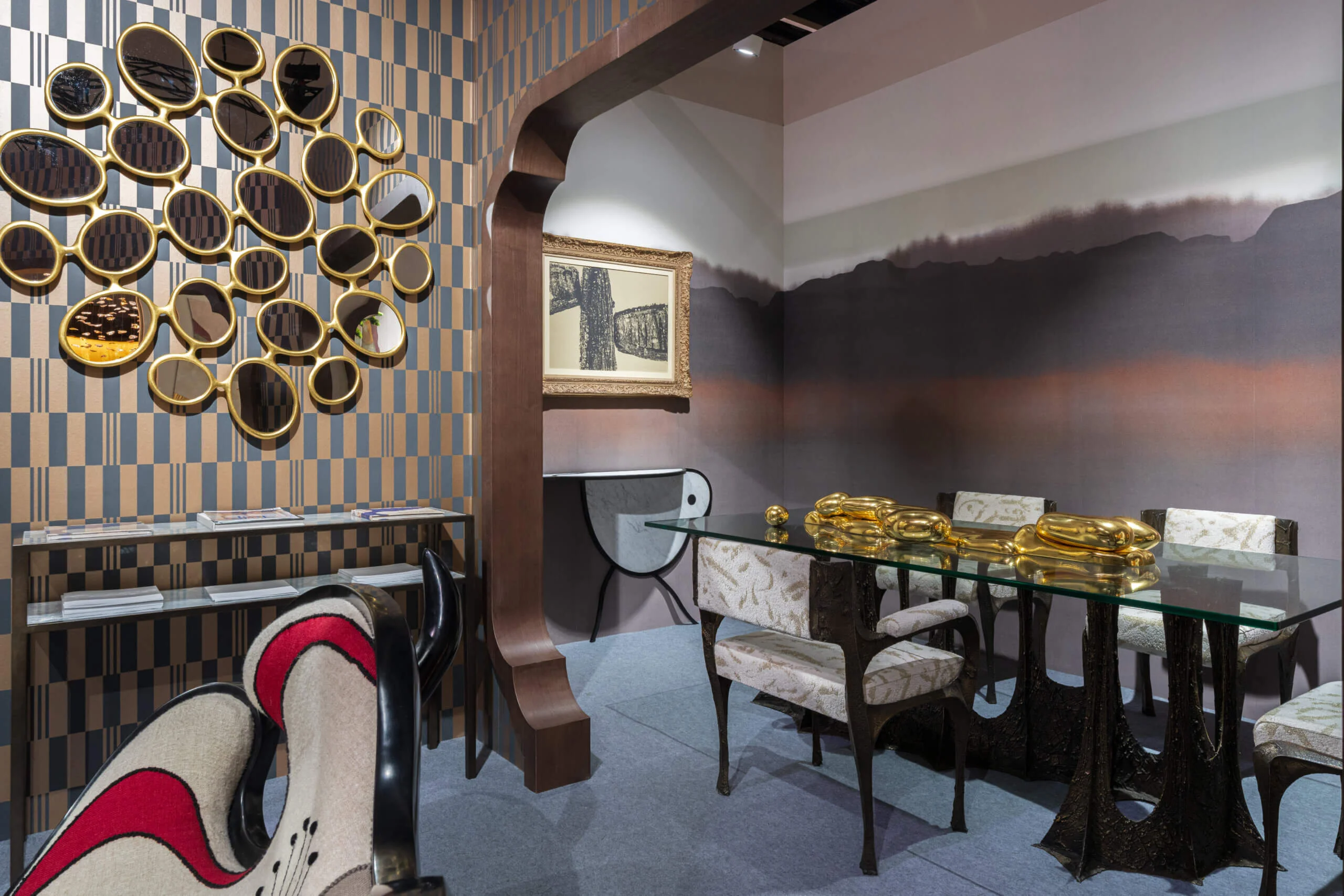
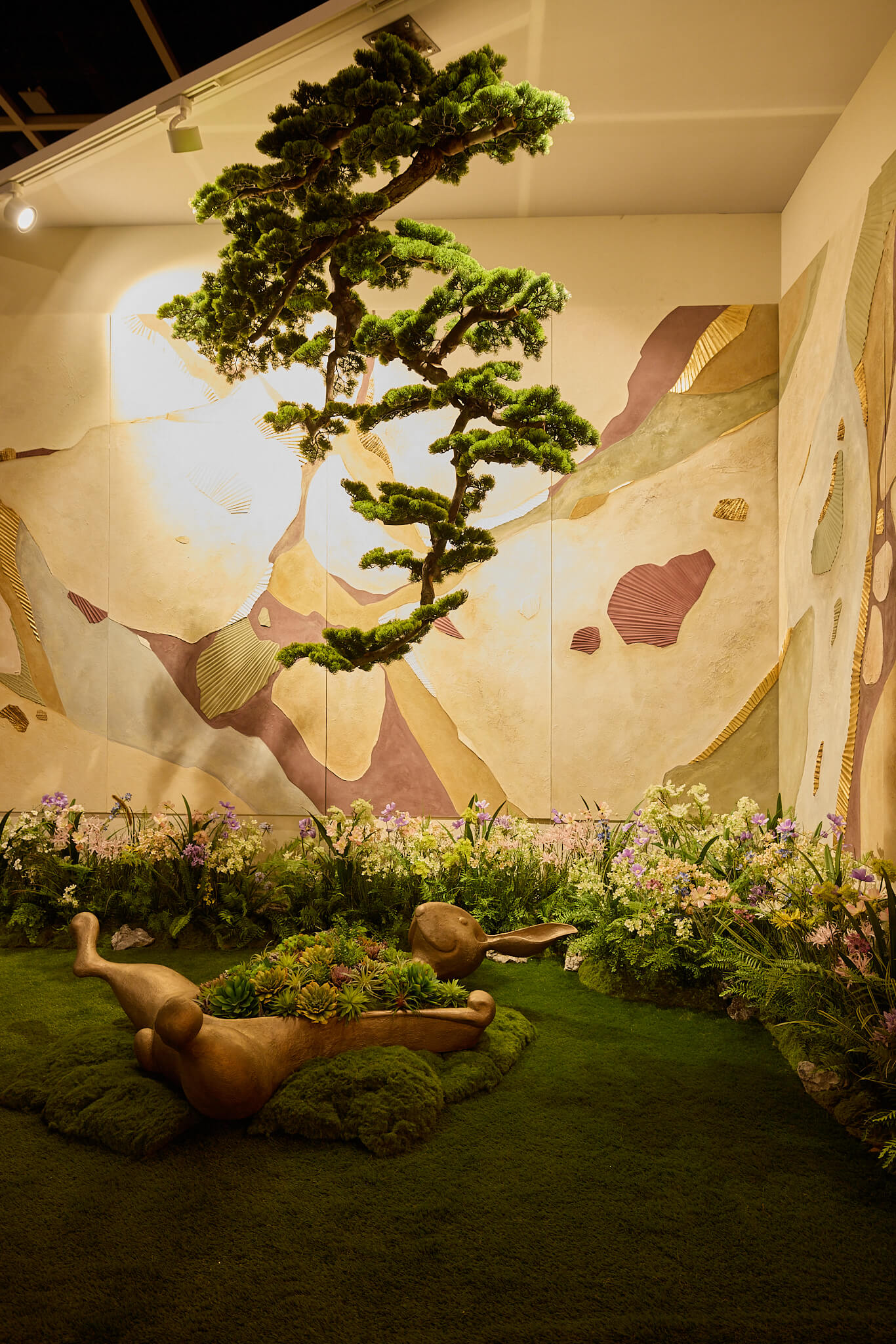
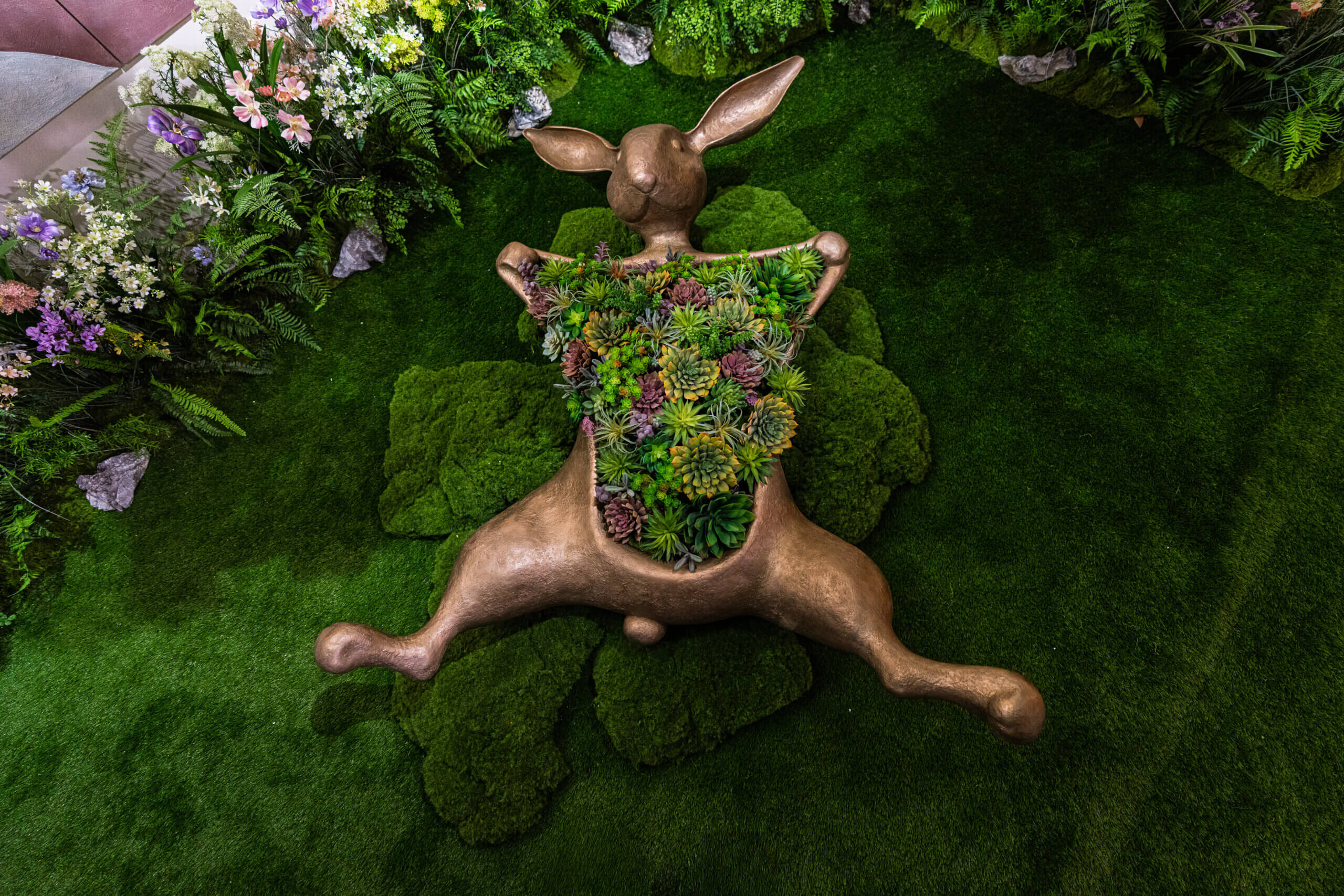
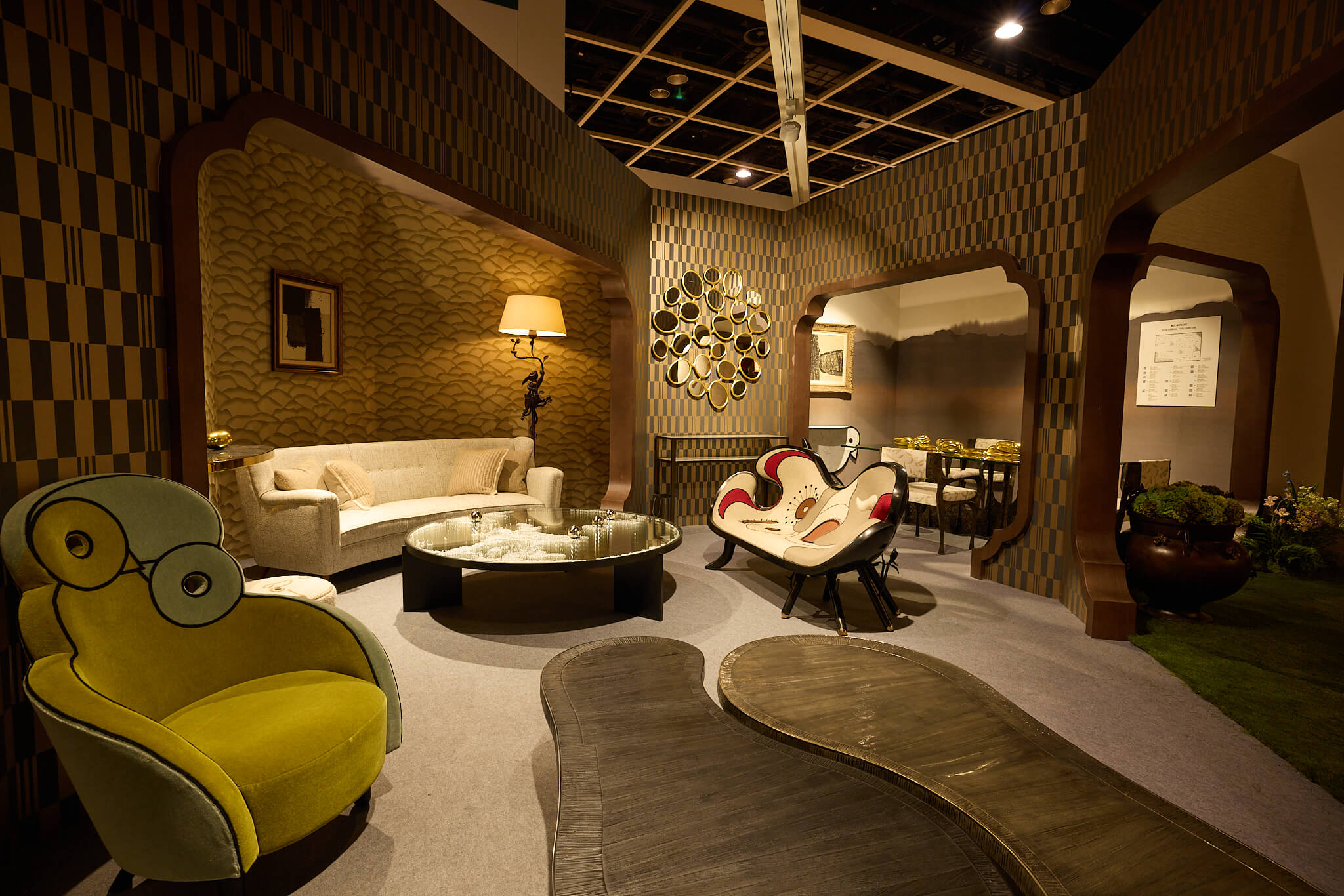
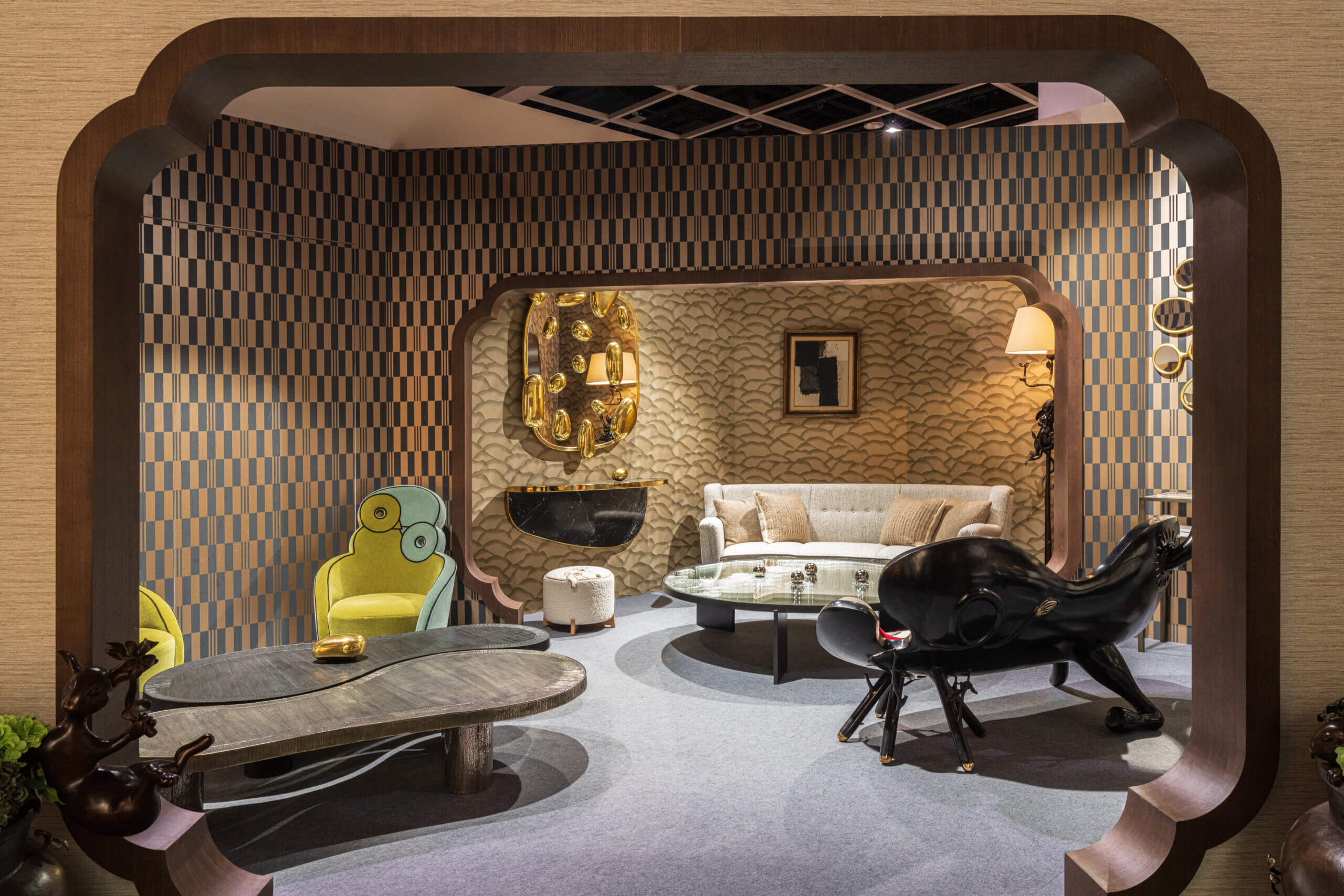
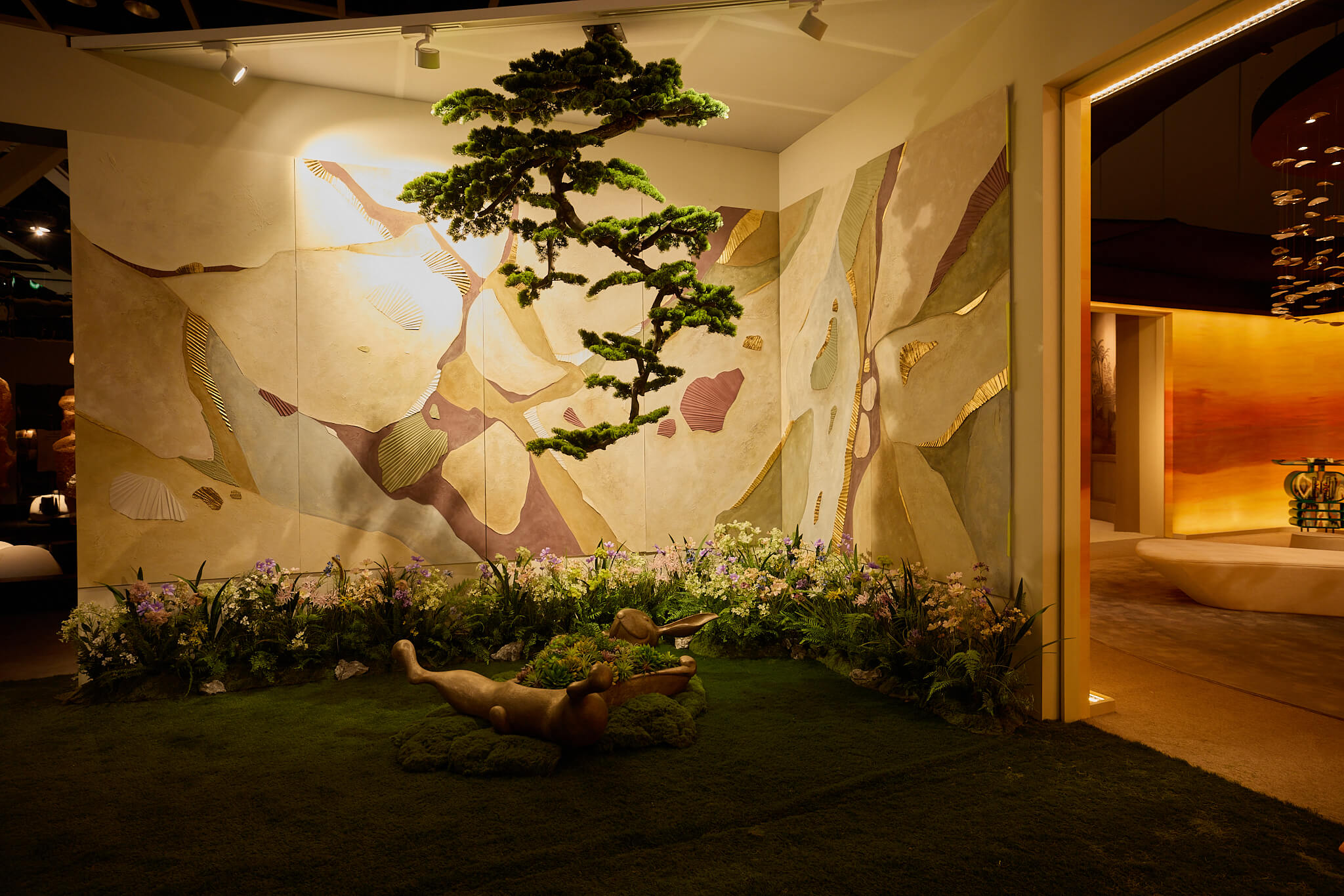
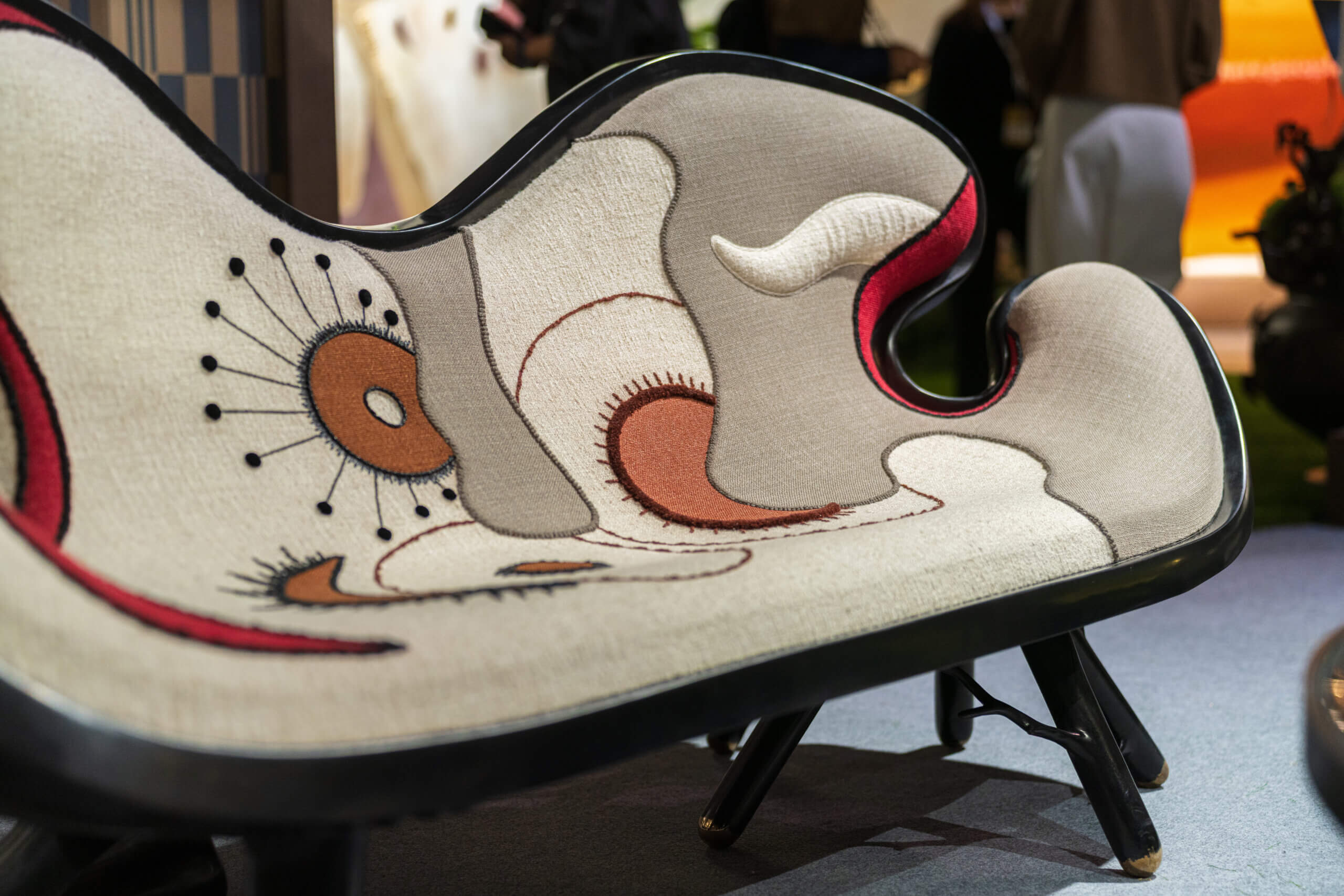
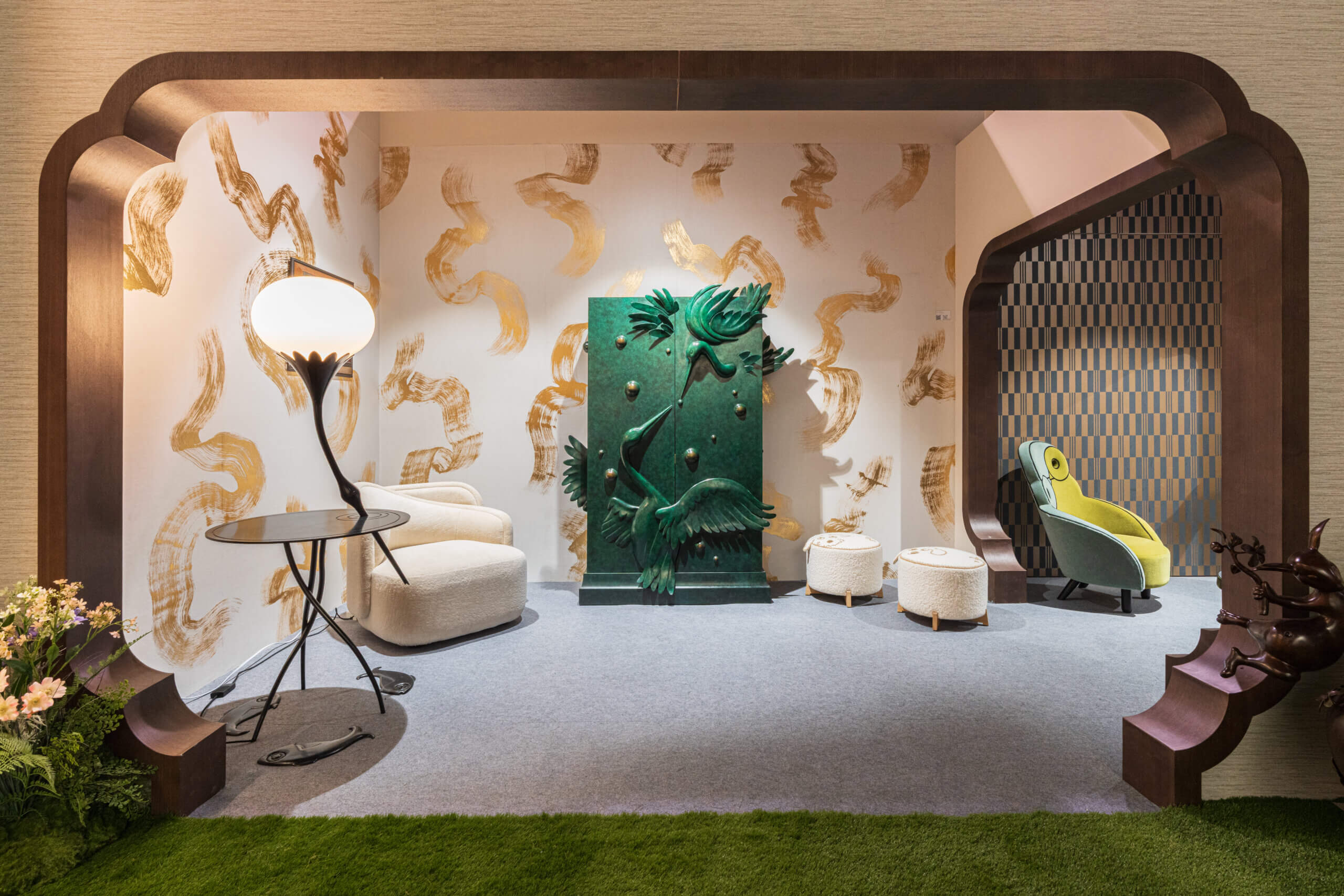
二人北京旅行後,決定將感悟與幻想轉化為可觸摸的「遊記」。靈感源自巴黎浪漫和《Alice in the Wonderland》視角下的四合院,以兔子雕塑、靈雀櫃子、鏡飾等打造「遊記櫃子」,收藏起一片片四合院的沉靜與巴黎的自由。
Alfred 主張空間應沉穩細緻、反映生活感受,然而曾為電影場景設計的 Hubert 則認為家具需「說故事」,兼具詩意與雕塑感。貌似「火星撞地球」,然而二人風格互補,碰撞出豐富的對話與層次,MING’S BRO 就藉此機會了解他們如何以設計「到處留情」。
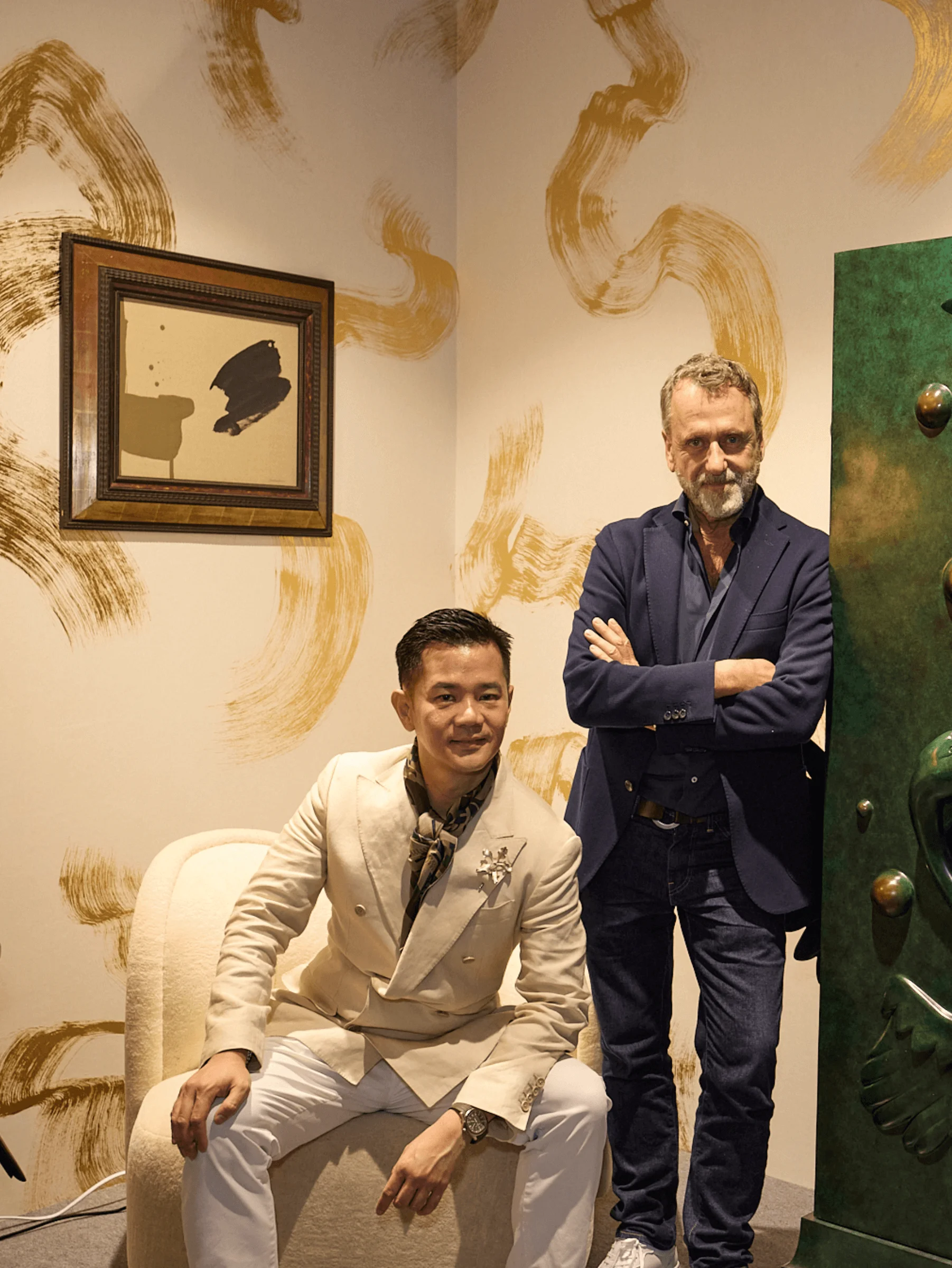
M:MING’S BRO
A:Alfred Lam(左)
H:Hubert Le Gall(右)
(Scroll down for the English Interview)
Hubert Le Gall
M:你的作品充滿奇幻元素,請分享一段塑造你設計風格的個人經歷或旅行片段。
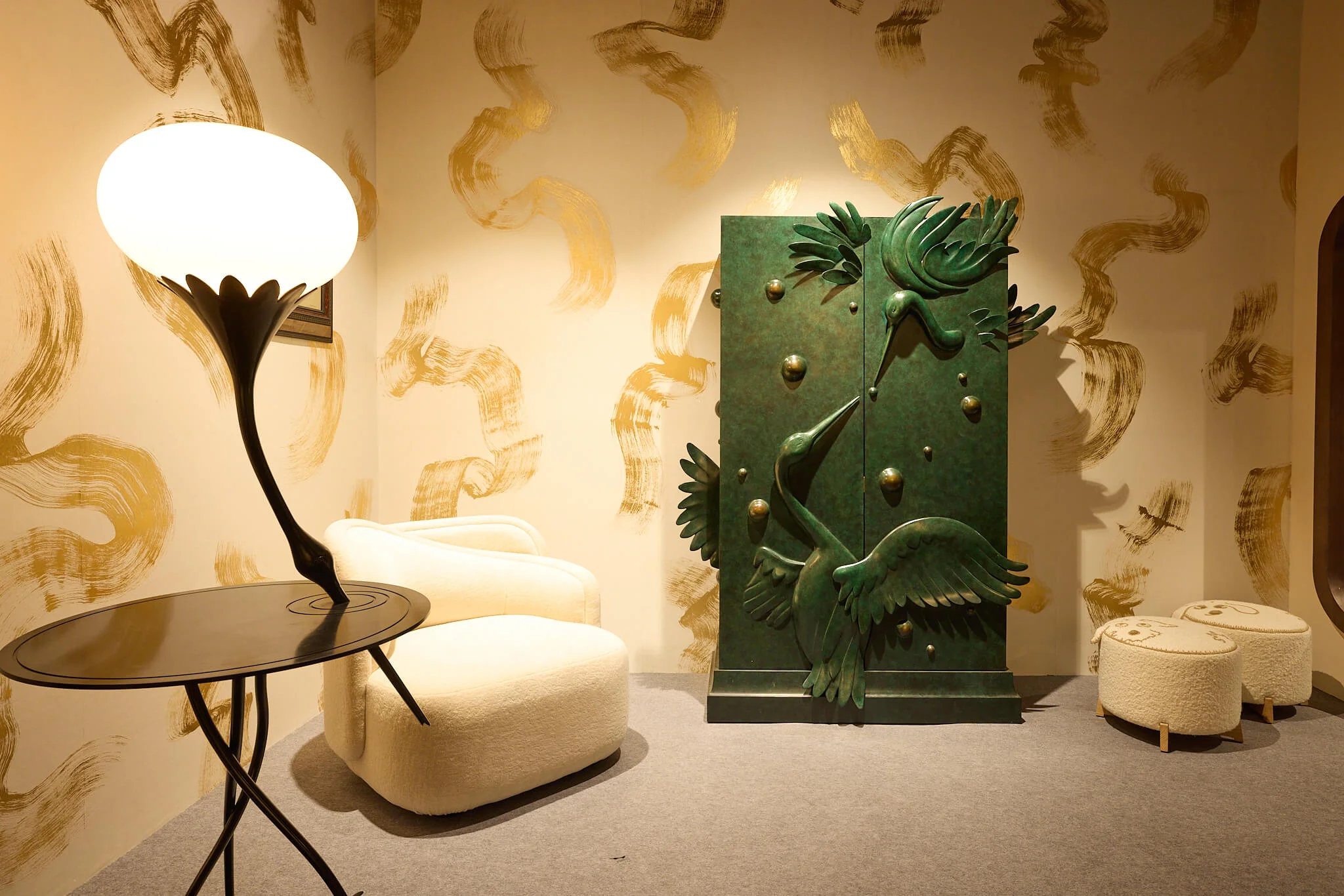
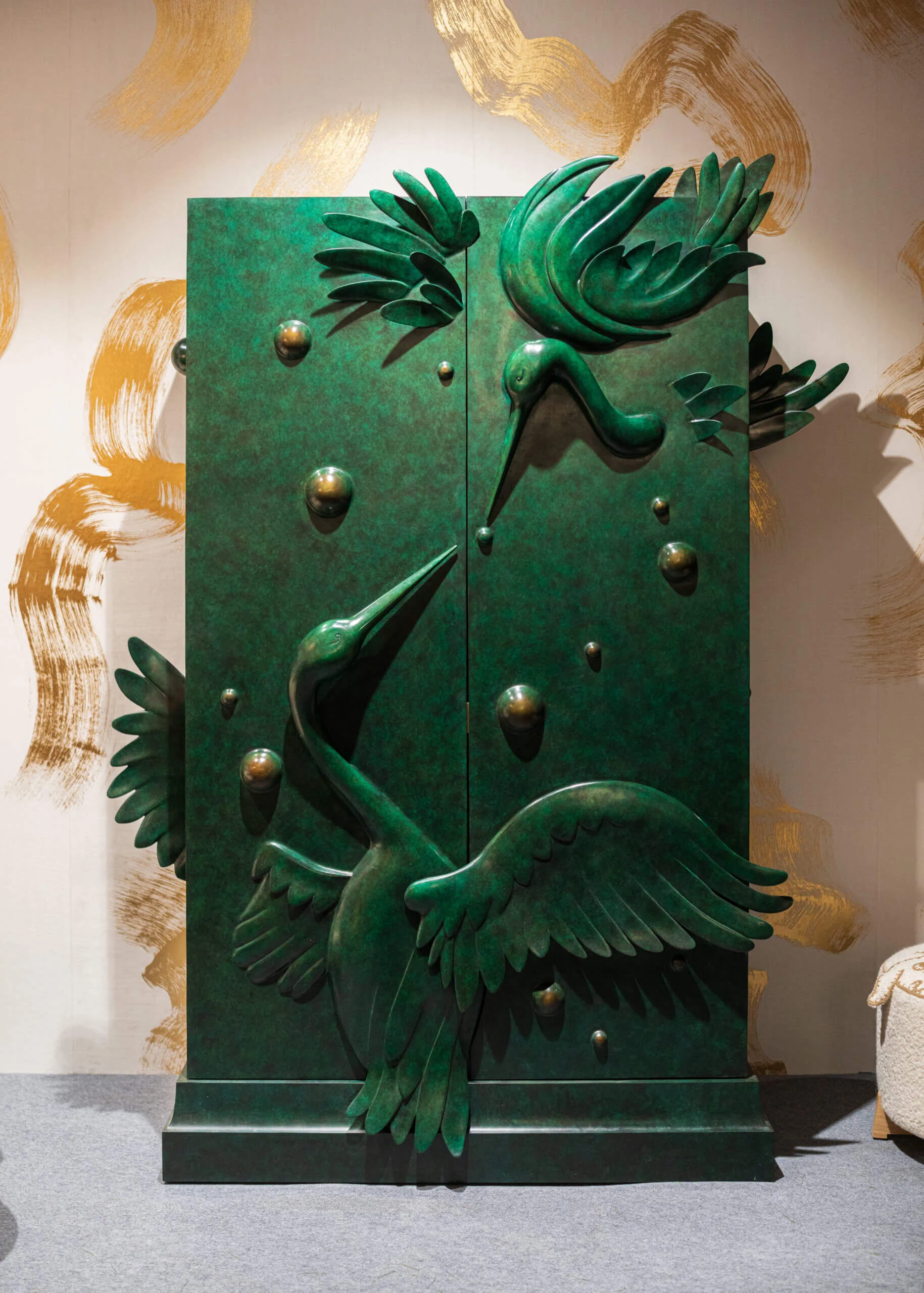
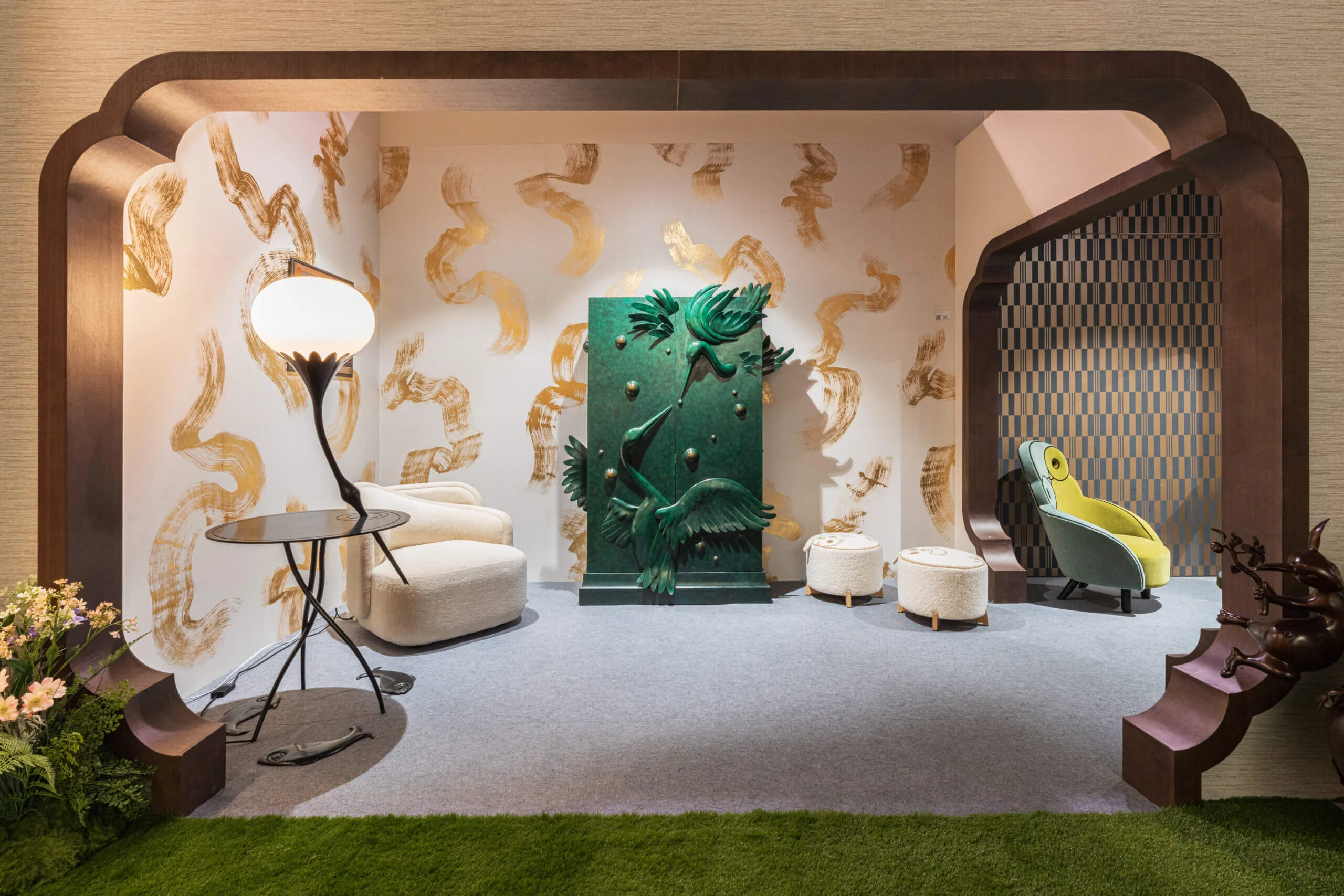
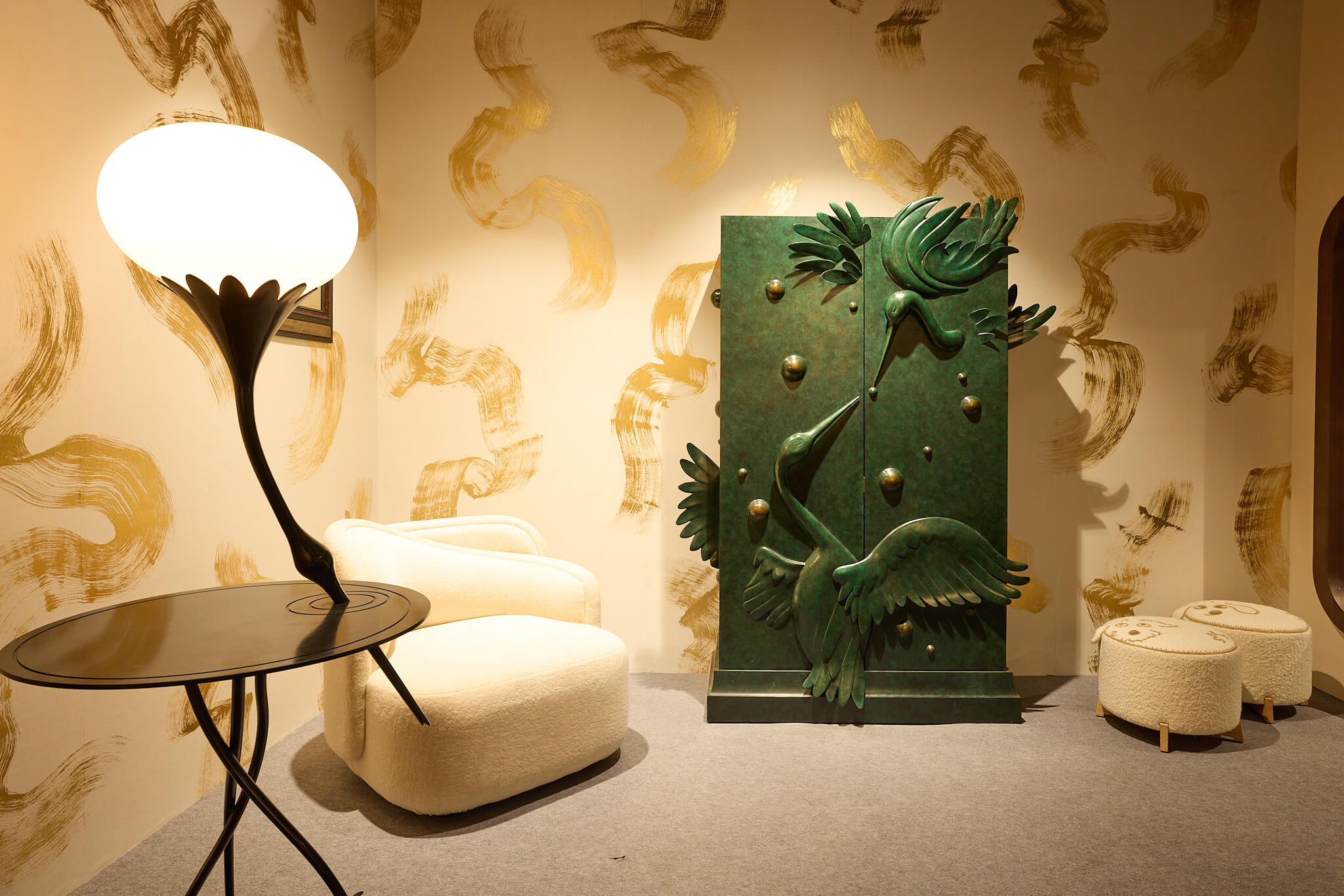
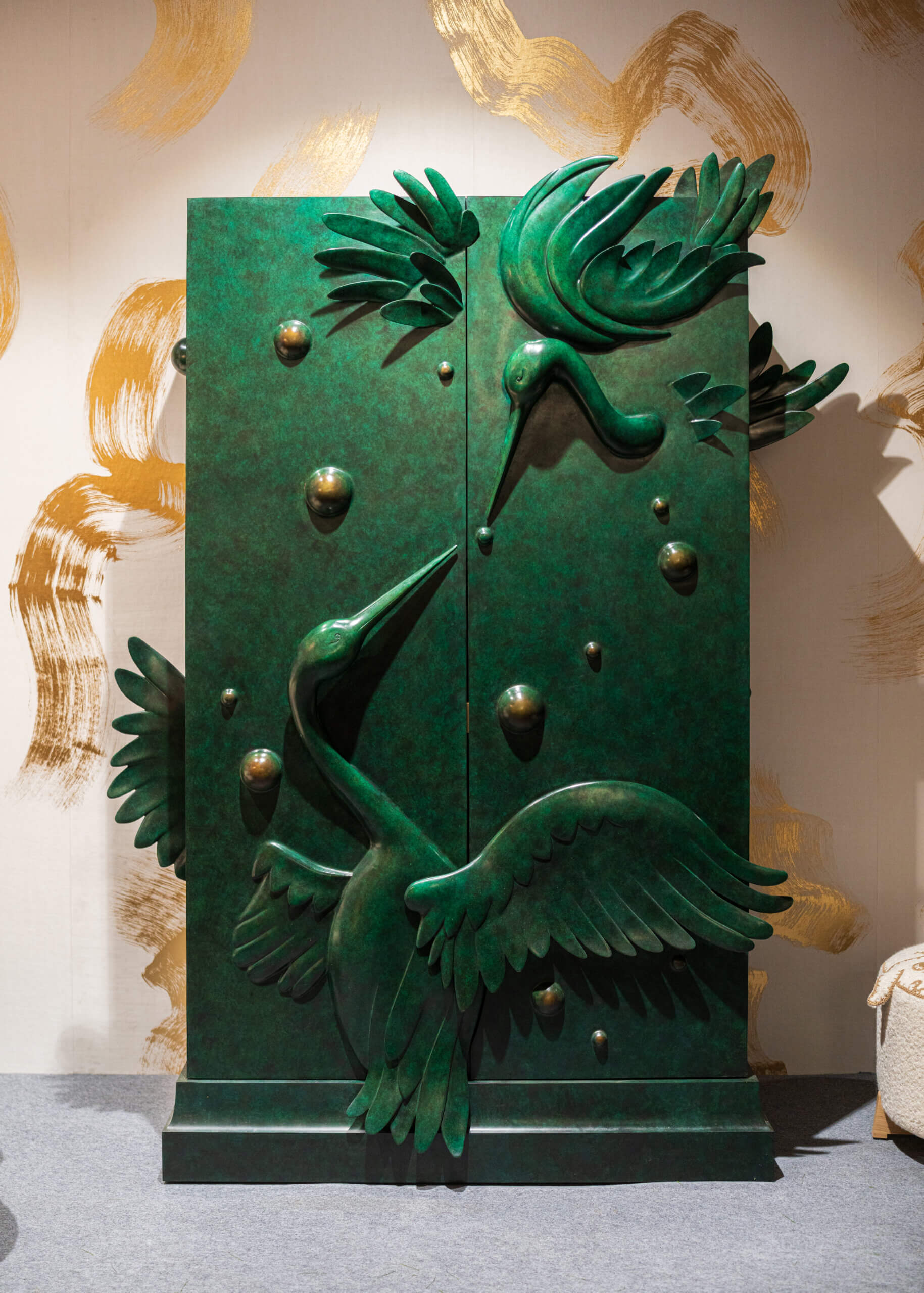
H:我是個很容易感受到身邊事物的人,什麼都能給我靈感。比如這次展覽裡的作品《Parade》,那個鑲了兩隻青銅綠鏽蒼鷺的櫃子,靈感就來自去年我在新加坡 Cuturi 畫廊辦個展時,參觀的一間博物館。我喜歡做有故事的作品,希望它們能和觀眾互動交流,不管是思想上還是情感上。
M:你怎麼把法國和中國元素融入設計?兩者又怎麼互相啟發?
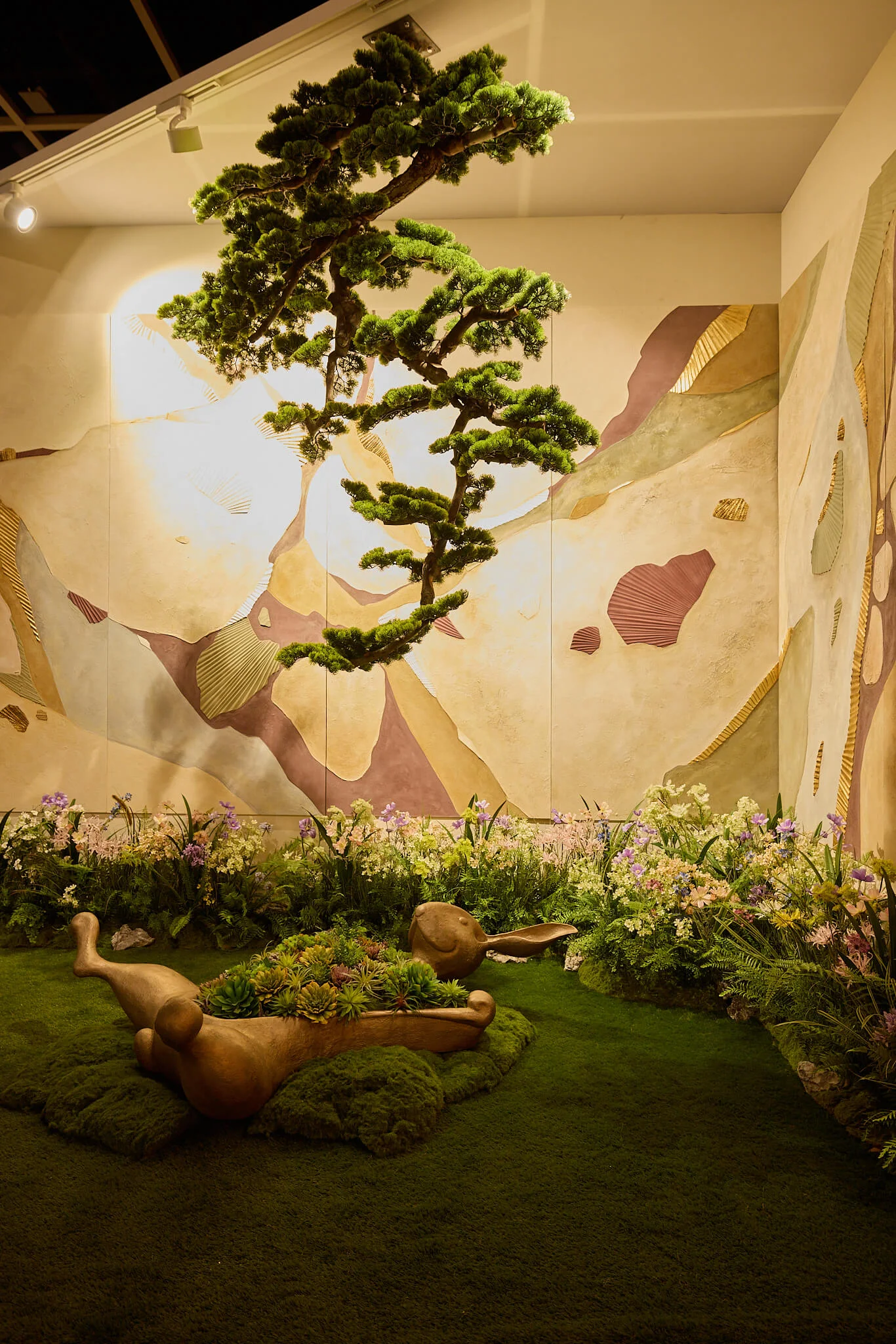
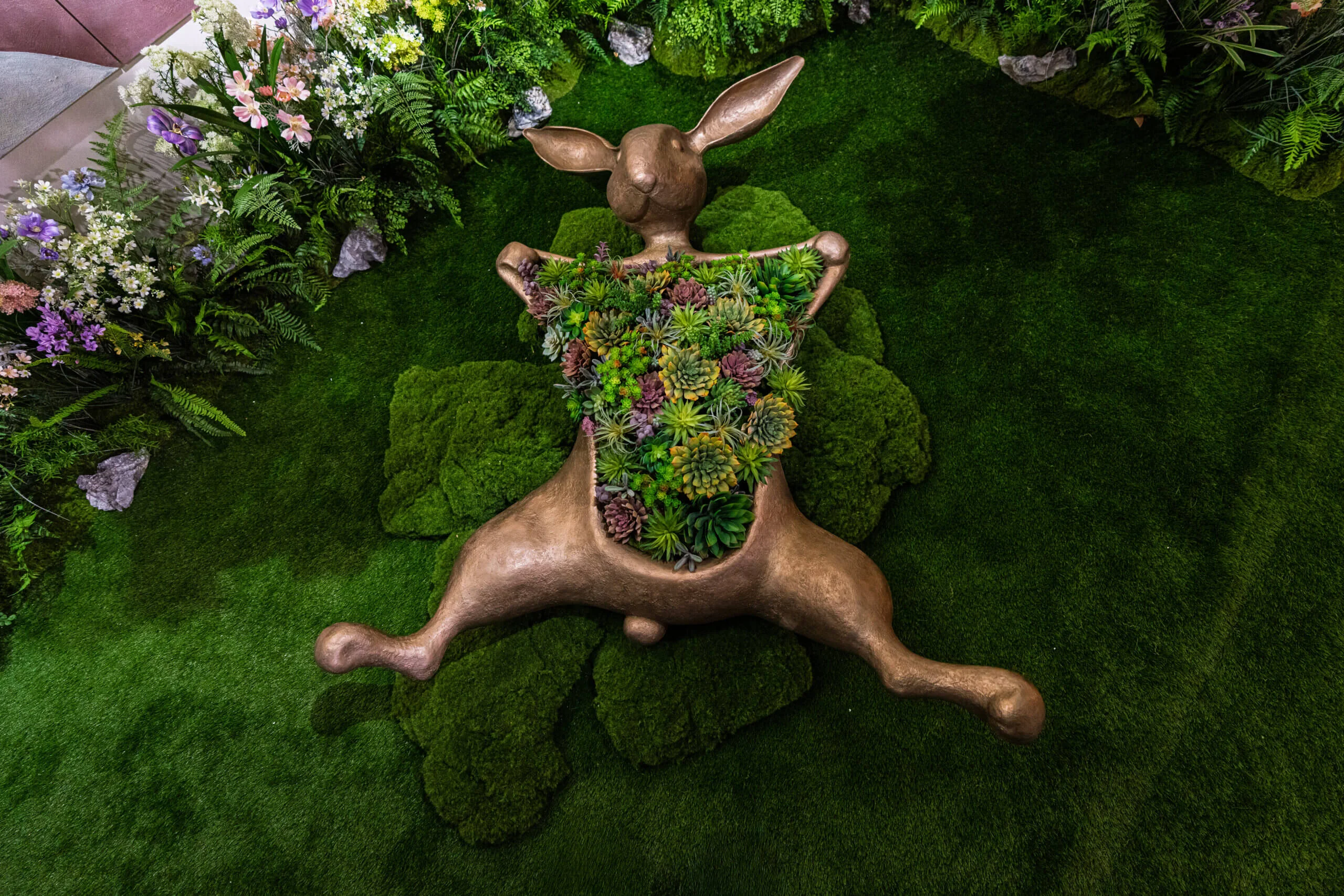
H:我們法國人一直很著迷亞洲文化,尤其是中國文化——從漆器、陶瓷花瓶,到動物的象徵意義都很喜歡。在展覽中,我們做了兩個青銅花瓶,上面是活潑的兔子造型,分別叫《Allegra》和《Calisto》。我做的時候,腦子裡想的就是中國傳統花瓶 —— 因為這類花瓶通常會講歷史故事、文學典故,或者象徵吉祥的圖案。同樣,《Parade》特意做了青銅綠鏽的質感,讓人能想到傳統傢俬的味道。
M:你選材的時候有什麼標準?
H:我喜歡用高品質的珍貴材質,也善用法國優秀的工藝。我合作的法國鑄造廠都是頂尖的,能撐起我那些大膽的構想;木材和玻璃的合作夥伴也一樣。材質本身就是故事的一部分,能讓我的雕塑有更多層次,突破原有的維度。
M:你覺得室內設計需要「說故事」嗎?
H:設計本來就有故事——就算想做「沒故事」的設計,這本身也是一種表達。我看重作品的整體性和流動感。我喜歡做場境設計(scenography),因為它不只能展示單件作品,還能讓多件作品和觀眾產生對話。這種經歷讓我學會從更全面的角度思考,用更宏觀的視角去講設計背後的故事。
M: 對想找到自己風格,又要兼顧設計功能性的新晉設計師,你有什麼建議?
H:別限制自己,也別太在意別人的看法。跟著自己的感覺做,從中累積經驗就好。我最成功的作品,一開始都以為只有自己會喜歡,沒想到最後反而最受大家歡迎。
Alfred Lam
M:請分享一段影響你設計理念的生活或旅行經歷。
A:最近去北京的一趟旅行,成了這個項目的轉捩點。我在城裡閒逛時,偶然見到幾座保存完好的四合院—— 這些靜靜的、格局工整的空間,滿載歷史感與儀式感,給我的印象很深。我旅行時總習慣觀察空間動線:人怎麼走動、光線如何匯聚、空間如何銜接。而四合院的向心式布局,還有把自然景致納進庭院中央的巧思,讓我特別著迷。這個結構成為我構思這件裝置作品的起點:打造一個多層次的圍合空間,把傳統元素和新的雕塑表達結合起來。
M:你和 Hubert Le Gall 的合作過程是怎樣的?
A:跟於 Hubert 合作,感覺就像一場跨文化的創意對話。我們一開始先交換視覺參考,活潑的、詩意的都有,自然地定下設計的方向。他的作品帶超現實感,像童話故事一樣;我則著重空間的和諧感,加入文化細節,讓設計更貼地。我們沒想過要把兩種風格硬拼在一起,反而讓它們並存。整個過程與其說是融合,不如說是疊加——從雕塑造型到建築線條,每個細節都能看出這種雙重風格。
M:怎麼讓設計既當代,又歷久常新?
A:在我看來,經得起時間的設計不是要抗拒改變,而是要給空間賦予意義。我常常重看四合院和傳統圖紋,用更簡約的現代角度去詮釋。比起追隨潮流,比例、質感和象徵意義更重要。我想做的空間,現在看起來合時宜,十年後也一樣能打動人——不是因為趕上潮流,而是因為設計本身夠用心。
M:你怎麼透過質感和色調營造特定氛圍?
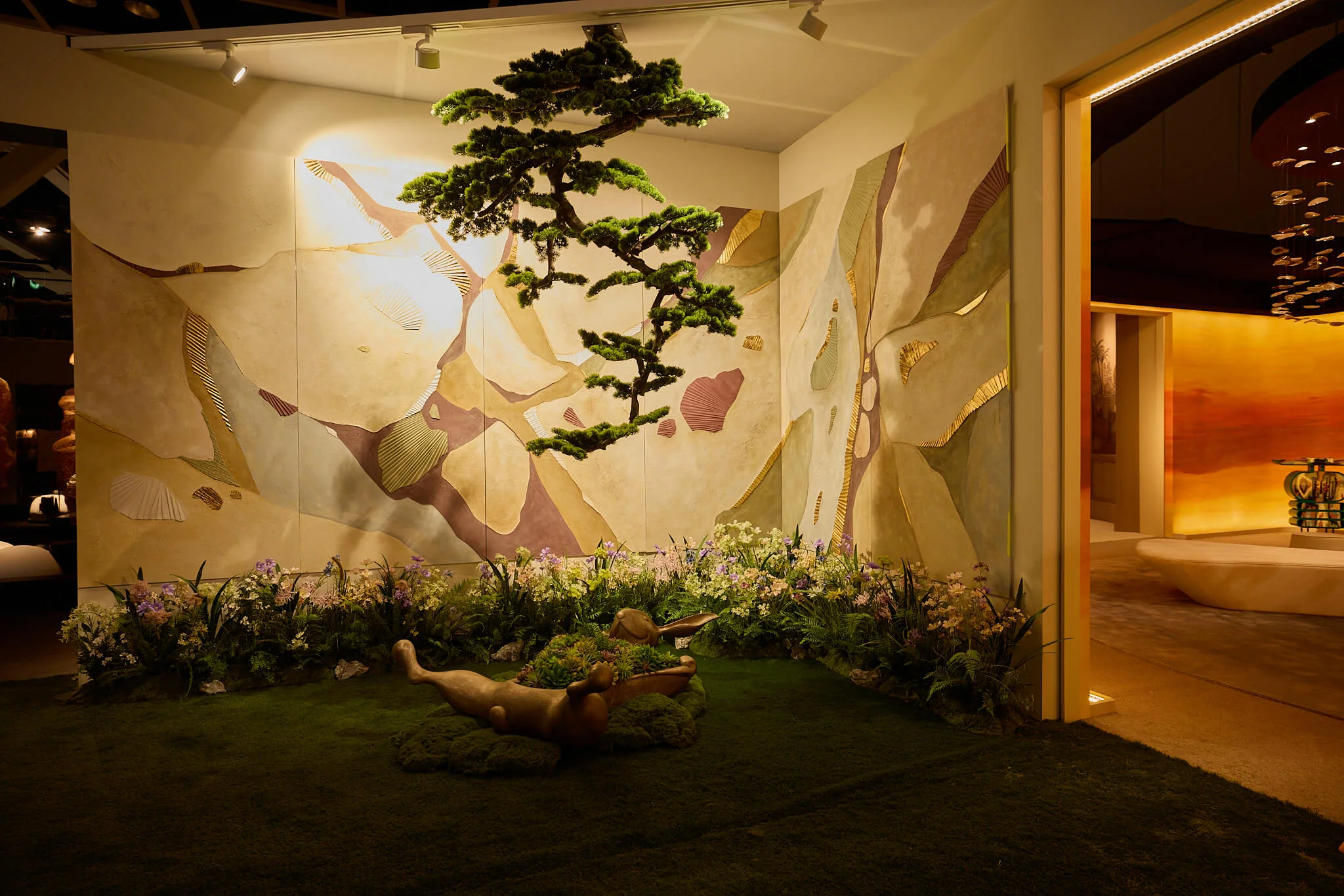
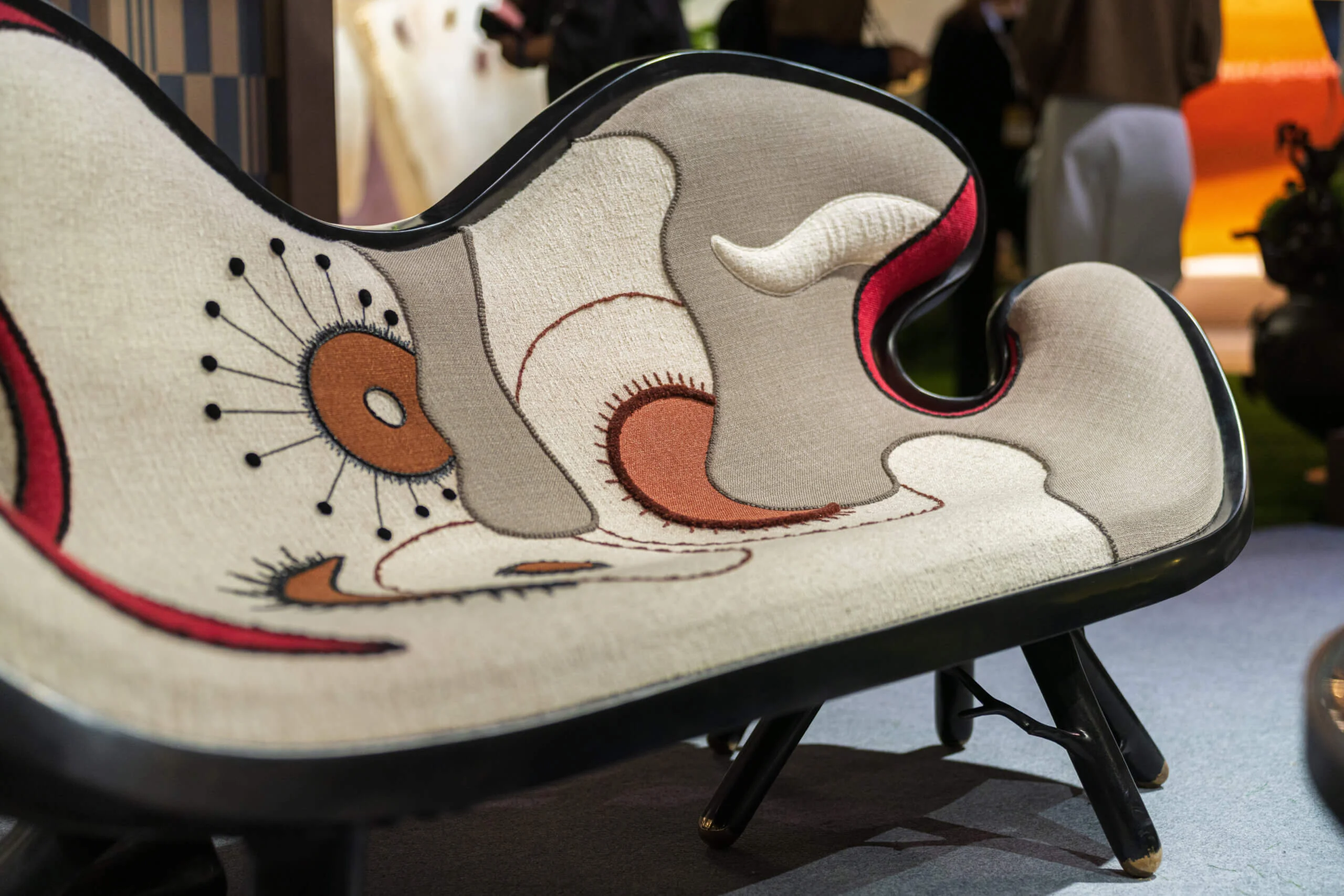
A:對我來說,質感和色調是分不開的,兩者一起塑造空間的氛圍。我不只是看它們的外貌,更會想觸摸這些表面的感覺,還有它們之間的互動。比如這次項目的花園場景裡有個立體兔子雕塑,它不是孤零零放著的,而是和周圍有質感的牆面互相呼應。壁紙有種層次,牆面有種顆粒感,兩者搭起來,背景就顯得生動,不是平平的一片。
空間裡每種材料,從傢俬的布料到抱枕的織紋,都與整體的質感和色調有關。不是要追求完全匹配,而是要做出有層次的和諧感。最終目的是打造一個讓人想觸摸、感覺協調的空間——不只顏色,體驗上也要貫通。
M:對想找到自己風格,又想平衡功能性的新晉設計師,你有什麼建議?
A:不用急,慢慢找到屬於自己的設計語言。讓你的經歷、旅行、日常生活和各種靈感,隨著時間慢慢塑造。先從觀察開始:看人們怎樣在空間走動、什麼會讓人駐足、什麼設計能帶來舒適。功能性從來不是創意的絆腳石,而是讓創意落地的框架。永遠要問自己:我想讓人們在這個空間裡有什麼感受?這個答案就是你的方向。
Interview with Hubert Le Gall
1) Your work has a whimsical quality. Can you share a personal experience or travel moment that shaped your design style?
I am a very receptive person, and I get inspired by everything and anything. For instance one of the works that was presented during the fair, Parade, a cabinet with two heron birds in green patina, was inspired by a museum I visited in Singapore last year when I had my solo exhibition with Cuturi Gallery. I enjoy creating artworks that tell a story, that create a dialogue and interaction with the audience – both intellectually and emotionally.
2) How did you blend your French background with traditional Chinese elements in your designs? How do they inform each other?
We French, have always had a fascination for Asian culture, notably Chinese culture – from lacquer to ceramic vases, and the meaning of animals. As you might have seen in the presentation, we had two bronze vases depicting playful rabbits – Allegra and Calisto. I had Chinese vases in mind when creating them, as these usually tell stories from history, literature or depicting auspicious symbols! Similarly, Parade had a purposely green emerald patina which might remind the audience of traditional furniture.
3) You use materials like bronze, wood, and glass. What criteria do you use to choose the materials for your projects?
I enjoy working with noble materials and leveraging the incredible craftmanship we have in France. I work with some of the very best French foundries capable of supporting my very ambitious creations. Similarly with wood and glass. The material is part of the story telling, and allows for my sculptures to enter new dimensions.
4) Do you believe interior design should tell a story? How does your experience in exhibition scenography influence your design approach?
It is always telling a story, even when its supposed to not to! I like to look at the coherence of things, and the flow of my work. I enjoy scenography because it allows me to not only showcase an artwork, but to create a dialogue between many artworks and the audience. It allows you to think more holistically and have a larger vision into the story telling.
5) What advice do you have for aspiring designers about finding their voice while keeping their design functional?
Don’t limit yourself, and don’t hear to what people have to say. Do what you feel and take it from there. My most successful creations were the ones I thought only me would enjoy, and no one else. Well, it turned out that these were the ones everyone enjoyed the most!
Interview with Alfred Lam
1) You believe that spaces should reflect our lives and feelings. Can you share a moment from your life or travels that has influenced your design approach?
A recent trip to Beijing sparked a turning point for this project. While wandering through the city, I came across beautifully preserved siheyuan courtyards – quiet, geometric spaces steeped in history and ritual. That experience made a strong impression on me. I’m always observing spatial flow when I travel – how people move, where light gathers, how transitions are created. With the siheyuan, I was fascinated by its inward orientation and how it frames nature at its centre. That structure became a springboard for reimagining this installation: a layered, enclosed space that blends tradition with new sculptural expressions.
2) Can you describe your collaborative process with Le Gall? How do you ensure each of your personalities are integrated into the design?
Working with Hubert felt like a creative dialogue across cultures. We began by exchanging visual references – some playful, some poetic, and let that conversation shape the form. He brings a surreal, almost storybook sensibility, while I ground the design in spatial harmony and cultural nuance. We didn’t try to merge styles; instead, we let them coexist. Our process was more about layering than blending. Each detail, from the sculptural forms to the architectural lines, reflects that duality.
3) How do you keep your designs contemporary while ensuring they are enduring, especially in spaces that mix traditional and modern styles?
To me, enduring design isn’t about resisting change, it’s about creating space for meaning. I often revisit traditional elements, like the siheyuan courtyard or classical motifs, and reinterpret them through a more restrained, modern lens. Proportions, textures, and symbolism matter more than trends. I aim to create spaces that feel relevant now but will still resonate ten years from now, not because they’re trendy, but because they’re thoughtful.
4) How do you balance textures and tones to create a specific atmosphere? How has your personal taste evolved in this area, and how does it influence your work?
For me, texture and tone are inseparable – they shape the atmosphere of a space together. I think a lot about how surfaces will feel and interact, not just how they’ll look. In this project, one example is the garden scene with the three-dimensional rabbit. That sculptural element doesn’t stand alone, it’s in dialogue with the textured walls around it, which have their own quiet character. The wallpaper has depth, the wall surface has grain, and together they form a backdrop that feels alive, not flat.
Every material choice in the space. From the fabric of the furniture to the weave of a cushion – it is part of a broader conversation about texture and tone. It’s not about matching perfectly, but rather about building a layered harmony.
It’s about creating spaces that invite touch and feel cohesive, not just in colour but in experience.
5) What advice do you have for aspiring designers about finding their voice while keeping their design functional?
Take your time to define your voice. Let your experiences, travels, daily life and influences shape it over time. Start with observing how people move through space, what makes them linger, what brings comfort. Function is never the enemy of creativity – it’s the framework that makes your ideas real. And always ask yourself: what do I want people to feel in this space? That answer is your compass.
horizontal1-Ground-Floor-scaled.jpg)
Comments